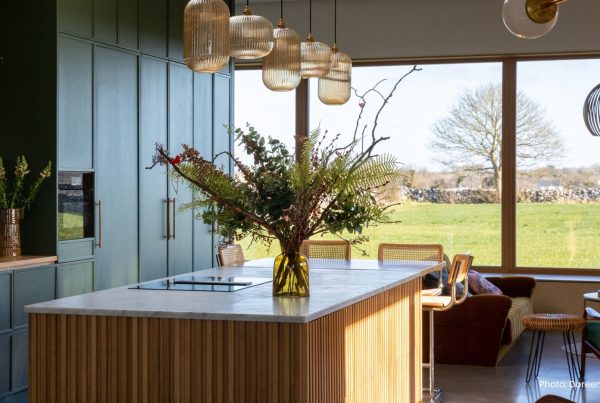

When people talk about German kitchens, they’re not just referring to where the kitchen comes from. A German kitchen is known for its high standards, sleek appearance, and clever design. It’s a symbol of precision and quality, combining style with practical thinking. In recent years, more and more Irish homeowners have been choosing German kitchens for their durability, clean lines, and smart layouts.
But what exactly sets a German kitchen apart from others? Let’s break it down.
Built for Efficiency
At the heart of every German kitchen is the idea of functionality. Everything is designed with a purpose. Nothing is just for show. The layout, storage, and even the smallest features are created to make cooking easier and more efficient.
You’ll often find that drawers glide open smoothly, cabinets close quietly, and storage is cleverly hidden yet easy to reach. The goal is to reduce clutter, improve movement around the kitchen, and create a space that feels calm and organised.
German kitchen brands are known for perfecting the work triangle, the invisible line between the sink, hob, and fridge, to make everyday tasks faster and more enjoyable.
Sleek, Minimalist Style
A German kitchen is instantly recognisable by its clean lines and minimalist design. Think handleless cabinets, flat front doors, and smooth surfaces. The look is usually modern but timeless, avoiding flashy trends in favour of lasting style.
Colours are often neutral, with shades of grey, white, black, or beige leading the way. That doesn’t mean it’s boring though. You’ll often see contrasting textures, like high gloss doors paired with matte stone worktops, or wood grain finishes matched with stainless steel. The style feels calm, crisp, and refined.
If you want a kitchen that looks good today and still looks good in ten years, the German approach makes sense.
Premium Materials
Quality is a huge part of what defines a German kitchen. These kitchens are built to last, often using stronger materials than you’d find in off the shelf units. Cabinet carcasses are thick and solid, hinges are engineered for constant use, and finishes are resistant to chips, scratches, and moisture.
Soft-close drawers and doors come as standard. You’ll also find better edge sealing and more attention to how each component fits together. German engineering isn’t just for cars, it’s in the kitchen too.
Because of this, German kitchens tend to last longer and hold their shape better over time, even in busy homes.
Made to Order, Not Mass Produced
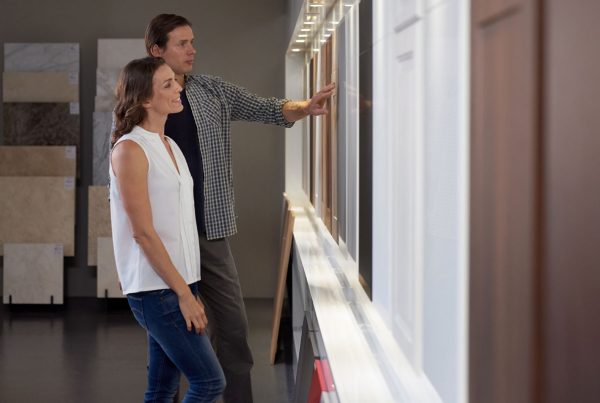
One big difference between German kitchens and standard options is that most are made to order. They’re not pulled from a warehouse and assembled on site with generic parts. Instead, each kitchen is measured and built to suit the space.
This allows for a more customised fit and often a better overall result. Gaps and awkward corners are avoided, and every detail feels intentional.
Intelligent Storage Solutions
One of the standout features of a German kitchen is how it handles storage. These kitchens are designed to make the most of every inch, with clever features built in as standard. You’ll often see:
- Pull out larders that bring items forward
- Deep drawers with dividers for cutlery, pots, and dry goods
- Corner units that rotate or slide out, so nothing gets lost
- Wall units that lift upwards instead of swinging out
These are not afterthoughts. They are planned from the start to make daily tasks easier. German kitchen designers understand that a well organised kitchen makes cooking easier and more enjoyable. No more digging around in awkward cupboards or trying to stack pots where they don’t fit.
The emphasis is on keeping worktops clear and everything within reach. Whether your kitchen is big or small, German design helps it feel spacious and tidy.
Seamless Appliances and Integration
German kitchens are often paired with built in appliances, giving them a seamless, tidy look. Ovens, fridges, and dishwashers are hidden behind cabinet doors or integrated perfectly into tall units. This keeps the kitchen looking clean and uninterrupted.
Even cooker hoods are designed to blend in. You might see ceiling extractors or built in models hidden inside cupboards. Sockets and power points are often tucked away too, sometimes hidden inside drawers or behind sliding panels.
Lighting is another big feature. Under cabinet lighting, plinth lights, and soft LED strips are used to highlight features and improve visibility while cooking.
All of this creates a sleek space where everything has its place, and nothing feels out of place.
Precision Manufacturing
German kitchens are known for their attention to detail during the build process. Factories in Germany use state of the art equipment to ensure that every part of the kitchen is cut, edged, and assembled with absolute precision.
Unlike flat-pack kitchens that rely on hand-assembly and can have variations in size or finish, German kitchens are machine-finished to exact standards. This means:
- Tighter joints
- Smoother finishes
- Better alignment
- Longer-lasting units
You’ll notice the difference when doors line up perfectly, drawers feel solid, and every edge is finished cleanly.
This level of care and engineering is part of what makes German kitchens more premium, but also more reliable in the long term.
Customisation and Flexibility
While German kitchens follow a certain style and layout standard, they’re far from one-size-fits-all. You can customise nearly every detail to suit your needs and taste.
This includes:
- Cabinet sizes and configurations
- Handle styles or handleless designs
- Finishes like gloss, matte, wood grain, or textured effects
- Colours, from classic white to bold shades
- Drawer internals and accessories
- Open shelving or closed cabinets
Many brands also offer different price levels, allowing you to choose the quality that suits your budget without losing the design benefits.
So even though you’re getting something from a German brand, it still feels like your kitchen, made just for your home.
Popular German Kitchen Brands
There are several well-known German kitchen brands that have built strong reputations across Europe and Ireland. Each offers something slightly different, but all share the same values of quality, design, and performance.
One of the largest German kitchen manufacturers, Nobilia offers great value and a wide range of styles. Their kitchens are known for being functional, stylish, and budget-friendly, making them a popular choice for modern Irish homes.
A premium brand with a focus on customisation and durability. Häcker kitchens combine traditional craftsmanship with modern innovation. They’re ideal for homeowners who want something unique without compromising on quality.
Known for their sleek finishes and strong engineering, Schüller kitchens bring together practical features with contemporary design. They offer a good range of handleless options and textured finishes.

This high end brand is associated with luxury kitchens. SieMatic focuses heavily on innovation, with minimal, elegant designs and cutting edge storage. It’s often found in showpiece homes and high-end developments.
Each brand offers its own selection of door styles, colours, and internal fittings, but the core values remain the same: precision, durability, and smart design.
Are German Kitchens Worth the Investment?
Not everyone needs a high end kitchen, but if you’re someone who values clean design, quality materials, and everyday functionality, a German kitchen is hard to beat.
It’s especially suited to:
- Longer lifespan due to stronger materials
- More efficient use of space
- Increased comfort and functionality
- Better resale appeal if you ever sell your home
- Custom features that match your lifestyle
If you want a kitchen that still works perfectly in ten or even twenty years, it makes sense to invest in one that’s built to that standard from day one.
Is a German Kitchen Right for You?
While a German kitchen might come with a higher price tag than some off the-shelf options, many homeowners see it as a long term investment. The build quality means fewer repairs and replacements. The design makes everyday life easier. And the clean, modern look adds value to the home.
Here are a few reasons why people feel it’s worth the cost:
- Busy households where storage and workflow matter
- People who want a modern, uncluttered design
- Homes with open-plan living spaces
- Anyone who wants a low-maintenance, long-lasting kitchen
It may not be the cheapest option upfront, but it often works out better over time.
FAQs: German Kitchens
1. What is a German kitchen?
A German kitchen refers to a style of kitchen design that focuses on precision engineering, sleek looks, and practical layouts. Built by manufacturers in Germany, these kitchens are known for their durability, clever storage, and modern finish.
2. Why are German kitchens so popular in Ireland?
German kitchens are popular because they offer high quality, clean design, and excellent functionality. Irish homeowners appreciate their long lifespan, easy maintenance, and the wide range of custom options available.
3. Are German kitchens more expensive than standard kitchens?
They can be more expensive upfront, but they are often seen as a long term investment. The quality materials and expert build mean fewer repairs, less wear and tear, and better value over time.
4. Can I customise a German kitchen to suit my home?
Yes, most German kitchen brands offer a wide choice of colours, finishes, cabinet styles, and layout options. You can tailor the kitchen to suit your space, taste, and storage needs.
5. How long does it take to install a German kitchen?
The timeline depends on your supplier and the complexity of the design. Once ordered, German kitchens are built to measure and shipped directly, so fitting usually happens in one go, with fewer delays or issues compared to flat-pack kitchens.